 | FOR IMMEDIATE RELEASE Cape Town, South Africa - April 27, 2026 Media Contact:
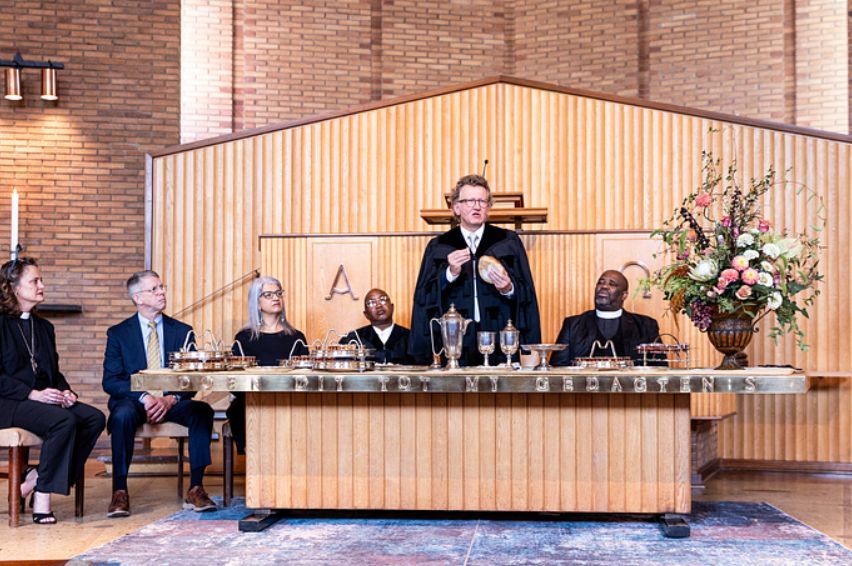
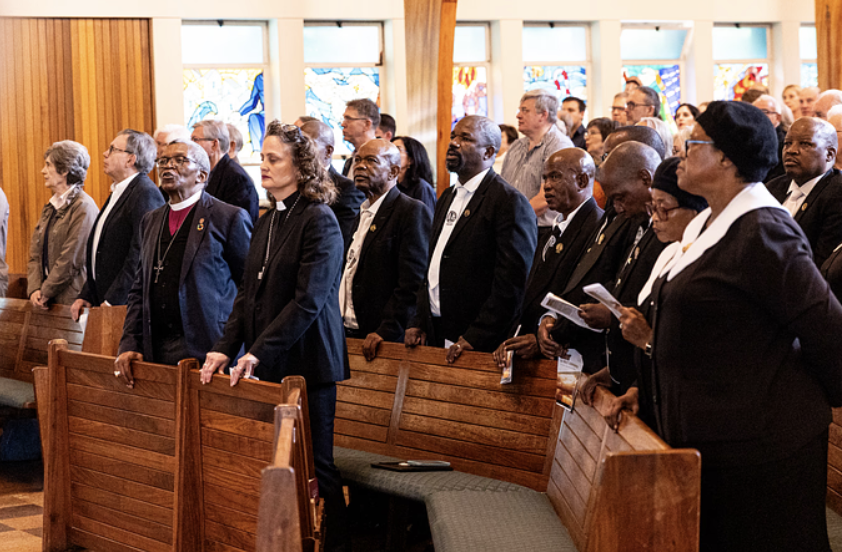
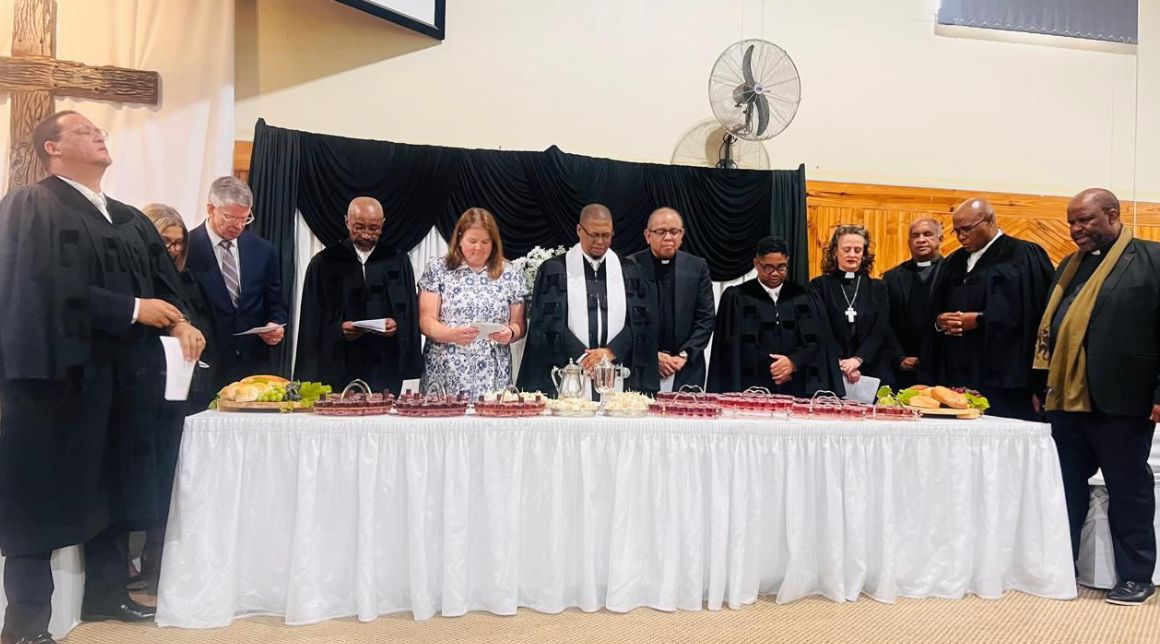
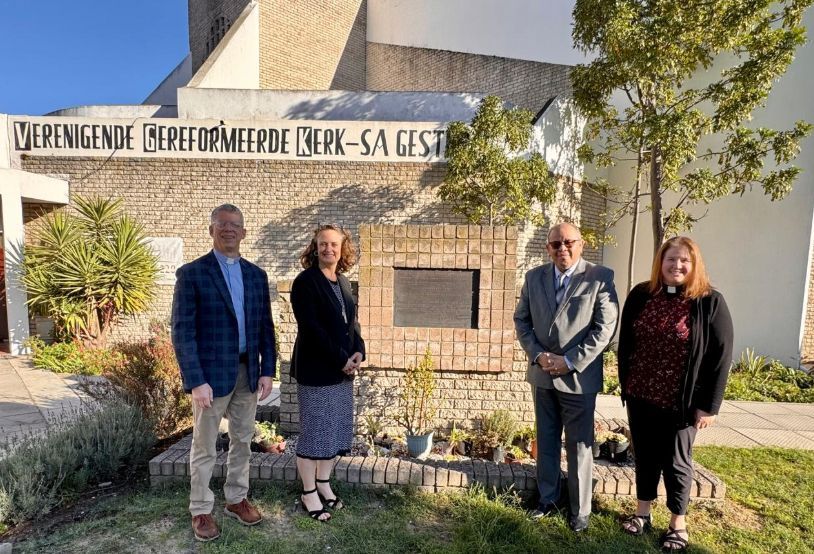
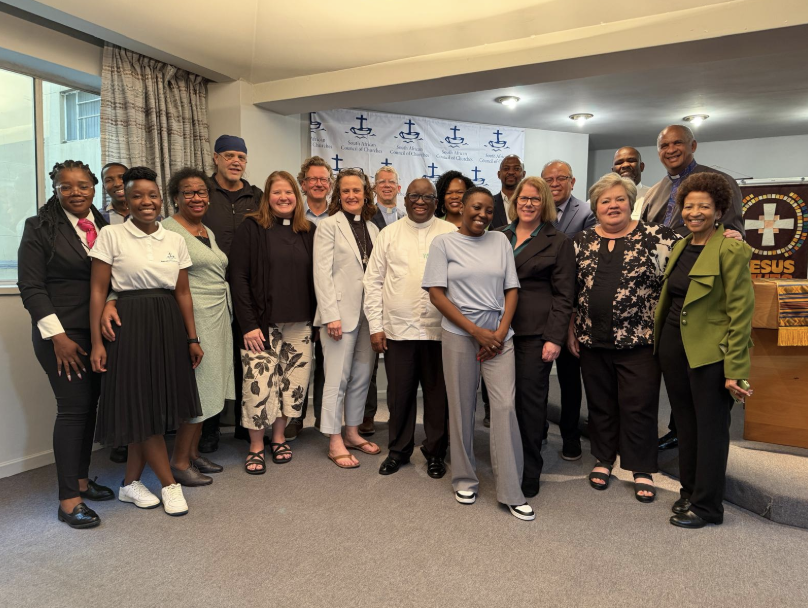
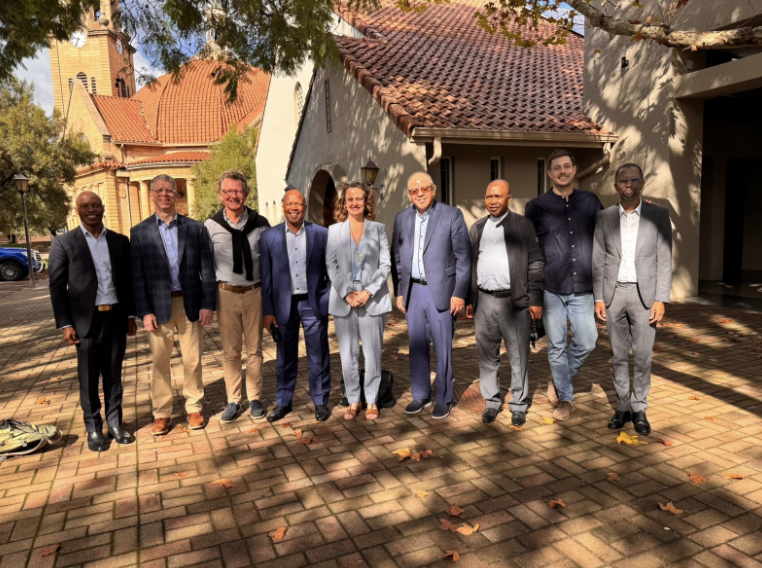
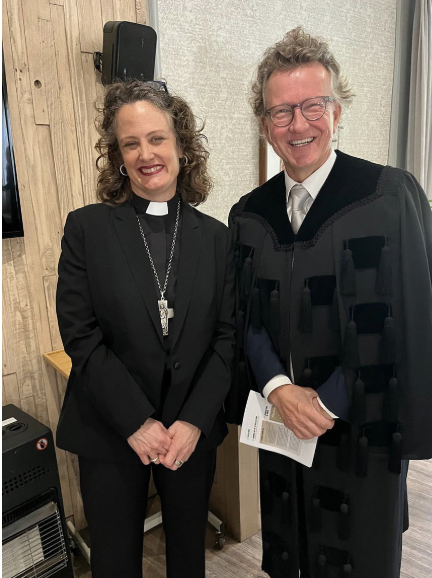
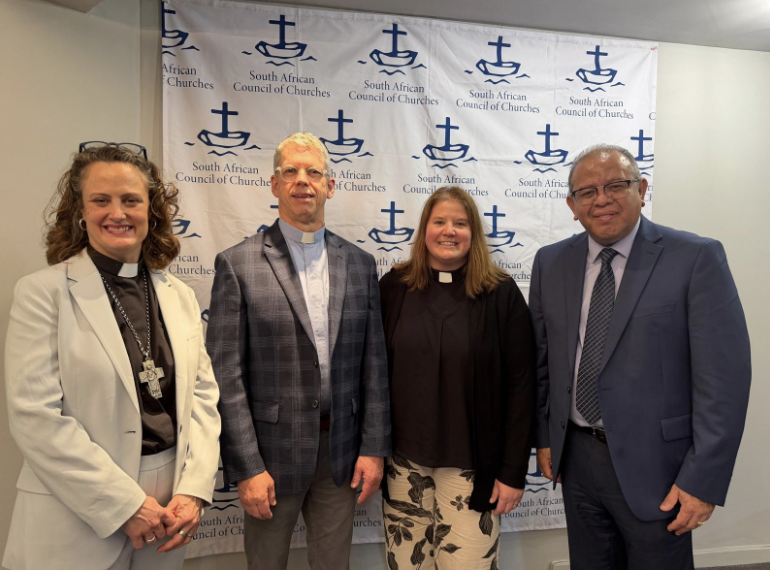
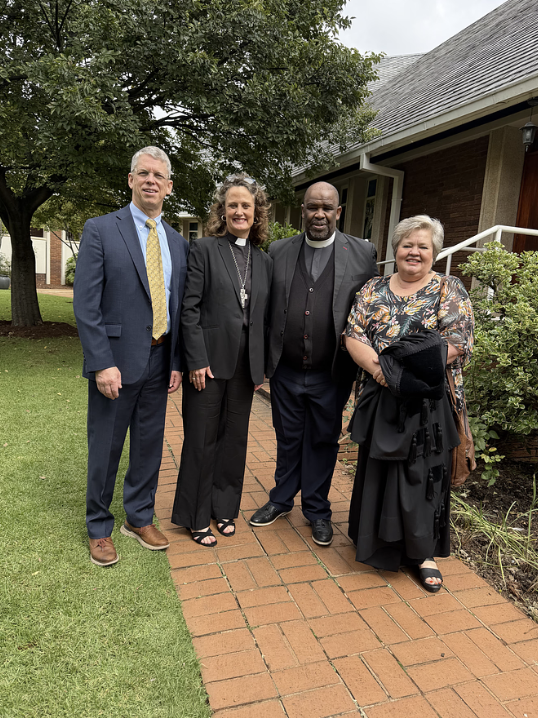
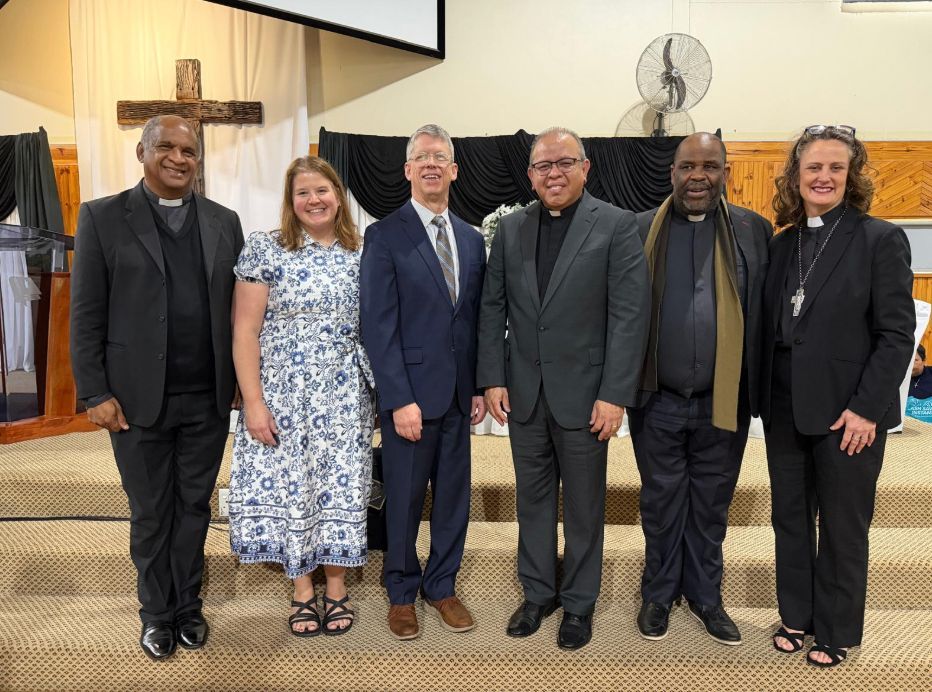
[email protected] | | | | | | Joint Freedom Day Statement Calls for Global Solidarity, Truth-Telling, Unity, and Justice Across Continents | | Cape Town, South Africa, April 27, 2026: On Freedom Day in South Africa, commemorating the end of apartheid and the birth of a democratic nation, a coalition of Christian leaders and institutions issued a joint statement linking the legacy of South Africa’s liberation struggle to urgent global calls for justice Palestine and Israel. The statement was released by the Reformed Church in America (RCA), Churches for Middle East Peace (CMEP) and the South African Council of Churches (SACC), together with our ecumenical partners, the Uniting Reformed Church in Southern Africa (URCSA) and the Dutch Reformed Church (DRC). The statement follows a joint delegation visit to South Africa from April 15–26, 2026, during which RCA leaders from the United States gathered with South African church leaders for shared reflection, dialogue, prayer, and public witness. Delegation participants included Rev. Dr. Mae Elise Cannon, Executive Director of CMEP; Rev. Eddy Aleman, General Secretary of RCA; Rev. Dr. Nathan Busker, Chair for the RCA Commission on Christian Unity; and Rev. Dr. Laura Osborne, Coordinator for Ecumenical Relations for the RCA. They were accompanied by local hosts, Rev. Rudi Swanepoel of the Micah 6:8 Task Team of the DRC and Rev. Edwin Arrison an ecumenical accompanist ordained in the Anglican Church of Southern Africa. The delegation attended meetings with the URCSA, the DRC, and the SACC, and were joined by South African church leaders, including Rev. Professor Leepo Modise, Moderator of URCSA; Rev. Dr. Nioma Venter, Ecumenical Officer of the DRC; and Rev. Mzwandile Molo, General Secretary of the SACC. Throughout the visit, the delegation also engaged with local congregations, ecumenical leaders, and community partners, grounding their conversations in both theological reflection and lived realities. | | | | | | Notably, on Sunday, April 19th, the heads of respective denominations and organizations gathered in shared worship at Aan die Berg DRC congregation and jointly presided over communion. This gathering had historic significance because the relationship between the Dutch Reformed Church and the Uniting Reformed Church In Southern Africa was historically rooted in apartheid. The DRC supported racial segregation and helped establish separate churches for black and colored Christians. After apartheid fell, there have been ongoing efforts at reconciliation and unity, while tensions continue to exist over a painful history and incomplete healing over issues of justice, equality, and organizational integration. Our hope is that this solidarity visit might encourage further movement toward Christian unity as we collectively seek to live in harmony together, in order that there might be no divisions among us (1 Corinthians 1:10). On Monday, April 20th, Rev. Dr. Mae Elise Cannon spoke at an event with Rev. Dr. Frank Chikane, Chairperson of the anti-Apartheid movement for Palestine South Africa Chapter, titled “A Question of Genocide: The U.S., South Africa, and Palestine?” at Aan die Berg Church. Sunday, April 26, the delegation participated in leading communion services at URCSA Scottsdene. | | | | | | On Monday, April 27, the US delegation joins the SACC and the Western Cape Province Council of Churches in Cape Town at St. George's Cathedral in A Call to Prayer and Action and the launching of the New Freedom Campaign with a keynote address by Rev. Dr. Allan Boesak. The statement is being released in conjunction with this event. | | | | | | At the heart of the visit was a shared theological and moral inquiry: how the Belhar Confession, born out of the struggle against apartheid, must serve as a guidepost for confronting white supremacy, racism, dehumanization, and injustice in the present moment across the United States, South Africa, and Palestine/Israel. Delegates reflected on the enduring relevance of the Belhar Confession’s call to unity, reconciliation, and justice, and its rejection of any ideology that legitimizes division or oppression. URCSA hosted a Belhar Conference at the historic Belhar URCA congregation where numerous papers were presented about critical realities in South Africa including gang and gender based violence. Prof. Modise addressed the conference saying, “Unity is the longstanding challenge for URCSA and the DRC family, and the Belhar Confession is the intentional confession that guides this unity for URCSA, because we confess that unity is a gift and on the other side of the obligation. Therefore, URCSA has no option but to push for unity within and outside URCSA. The Belhar Confession instills hope for URCSA for unity with DRC and other denominations. The pendulum of hope and hopelessness in unity talks between URCSA and DRC is anchored in the Belhar Confession.”
The joint statement between the RCA, URCSA, DRC, SACC, and CMEP emphasizes the importance of solidarity across contexts and a commitment to truth-telling, explicitly rejecting the widely discredited narrative of a so-called “white genocide” in South Africa while acknowledging the very real challenges of violence, inequality, and the enduring legacy of apartheid. At the same time, the statement calls attention to the moral urgency of the situation in Gaza and the broader realities facing Palestinians, urging the global church and international community to respond with clarity, courage, and accountability. It also includes a confession of the church’s own failures, acknowledging moments of silence, division, and complicity in the face of injustice, and calls for repentance expressed through concrete action. | | | | | | Reflecting on the significance of the visit, Rev. Mzwandile Molo, General Secretary of the SACC, said: “In a world of fracture, war and genocide, the visit of RCA & CMEP in South Africa is a visible expression of a church committed to a just world built on radical solidarity beyond the narrow categories of race and nationality. The universal call for a world free of war, genocide, racism especially in SA and the US and the dehumanisation of millions permeated the visit. Together we continue our prayers and praxis for justice away from false narratives of white genocide in South Africa and the tyranny of war towards a just world built on dignity for all, especially for the people of Palestine, Middle East, Africa and the poor in South Africa. This we do because we are inspired by our faith in the crucified and resurrected Jesus Christ. | | | | | | URCSA Moderator, Professor Leepo Modise shares these remarks at the Belhar Conference on April 24 at URCSA Belhar Congregation, also known as SA Gestig: “The Belhar confession is relevant to all Christian churches today because it addresses critical issues emphasised in Scripture: unity among the people of God, reconciliation within the church and society, injustices of all kinds, and God's bias on behalf of those who have been wronged.” | | | | | | Rev. Rudi Swanepoel pastor of the Aan die Berg Congregation and co-chair of the Micah 6:8 Task Force of the DRC says, “It is very clear that a unified Christian voice is not only prophetic in this moment, but absolutely crucial. My prayer is that the church in South Africa will realise that to speak (and act) now is not optional. The work to create a more just and equitable world for all is now more urgent than ever. The heart of the Gospel is at stake.” | | | | | | Rev. Eddy Aleman, General Secretary of the RCA says: “During our visit to South Africa, we were immersed in the history of the South African church’s struggle for justice, unity, reconciliation, and liberation. Churches today must continue to confront injustice everywhere with boldness and determination. The Belhar Confession affirms that ‘we believe that God, in a world full of injustice and enmity, is in a special way the God of the destitute, the poor and the wronged.’ In the U.S. today—amid debates about racial justice, inequality, polarization, and the role of the church—these lines from the Belhar Confession call faith communities to be active participants, not neutral observers, in speaking truth to power to confront injustice and to foster reconciliation. This is the call of the Gospel and as disciples of Jesus we must have a serious commitment to act justly, to love mercy, and to walk humbly with our God.” Rev. Dr. Laura Osborne, Coordinator for Ecumenical Relations for the RCA, says: “As we journey through South Africa and hear the stories of struggle and hope and the connections to the US and the Middle East I hear the echo of scripture that we are here ‘for such a time as this.”
Rev. Dr. Nathan Busker, Chair for the RCA Commission on Christian Unity, says: “In a world dealing with Christian nationalism, white supremacy, ethnic cleansing, genocide and the continued separation of people based on fear and the gospel of greed, the Belhar Confession is as important today as it was when it was adopted forty years ago. The Belhar is a confession that not only challenges the ways of the world, it challenges us personally in how we embody the gospel of Jesus Christ.” | | | | | | Rev. Dr. Mae Elise Cannon, Executive Director of CMEP, added: “Our time in South Africa reminded us that the church has both the responsibility, obligation, and spiritual mandate to confront injustice with moral clarity. The Gospel demands that the church repent of our complicity in racist and unjust regimes - be they in the U.S., apartheid South Africa, or in the Israeli decades long occupation of the Palestinian people. The legacy of apartheid and the witness of the South African church offer not only inspiration, but a roadmap for how we respond to systemic injustice today, wherever it may exist.” | | | | | | Rev. Edwin Arrison, ecumenical accompanier says, “The visit of our sisters and brothers from the RCA is not only highly valued because of their physical presence with us, but also because in their short time with us they connected several critical issues that are part of our faith witness today: the unity of the Reformed churches in South Africa, genocide, the Belhar confession, and solidarity with Palestine. Together they create not a Babel that divides and paralyzes but a Pentecost of clarity and deep inspiration." The statement concludes with a call to the global church to speak with courage and clarity, to governments, including those of the United States and South Africa, to pursue policies rooted in human dignity and international law, and to all people of faith to work toward ending violence, dismantling systems of oppression, and building a more just and peaceful world.
You can read the full Joint Statement HERE. | | | | | | | | | Formed in 1984, Churches for Middle East Peace (CMEP) is a coalition of more than 30 national church communions and organizations, including Catholic, Orthodox, Protestant, and Evangelical traditions that works to encourage US policies that actively promote a comprehensive resolution to conflicts in the Middle East with a focus on the Israeli-Palestinian Conflict. CMEP works to mobilize US Christians to embrace a holistic perspective and to be advocates of equality, human rights, security, and justice for Israelis, Palestinians, and all people of the Middle East. | | | | Recent CMEP Statements and Press Releases: Apr 24, 2026: CMEP Statement on the 111th Anniversary of the Armenian Genocide
On this solemn 111th anniversary of the Armenian Genocide, Churches for Middle East Peace (CMEP) joins with communities around the world in remembrance of the 1.5 million Armenians who were systematically killed and displaced beginning in 1915. We honor the memory of those who perished, stand with their descendants, and reaffirm our commitment to truth, justice, and the dignity of all people. Apr 13, 2026: Statement from Churches for Middle East Peace on the Interconnectedness of Violence
At Churches for Middle East Peace (CMEP), we recognize that the violence unfolding across the Middle East is not isolated from the rest of the world. The grief, fear, and trauma felt in Gaza and the West Bank, Israel, Lebanon, Iran, and across the region are also experienced by diaspora communities around the globe, including here in the United States. Many Americans have family members, loved ones, and deep ties to the Middle East. As they watch tragedy and destruction unfold from afar, they too suffer. Apr 7, 2026: Statement from Churches for Middle East Peace (CMEP) on President Trump’s Threats to Iran
Churches for Middle East Peace (CMEP) expresses alarm and condemnation of recent statements by President Trump threatening catastrophic violence against Iran, including rhetoric suggesting that “a whole civilization will die tonight.” Such language, evoking the destruction of an entire people, stands in direct opposition to the core tenets of the Christian faith, which call us to uphold the sanctity of life, pursue peace, and recognize the inherent dignity of every human being. Apr 3, 2026: Statement of Support from Churches for Middle East Peace for the 2026 Easter Message of the Patriarchs and Heads of Churches in Jerusalem
Churches for Middle East Peace (CMEP) expresses its appreciation and solidarity with the Easter Message of the Patriarchs and Heads of Churches in Jerusalem (2026), issued by the historic Christian leadership of the Holy Land. In a time marked by devastating violence, regional instability, and profound human suffering, we are grateful for the moral clarity, spiritual depth, and pastoral care embodied in this message. The Patriarchs and Heads of Churches offer a powerful witness rooted in the hope of the Resurrection, proclaiming that even amid destruction and despair, death does not have the final word. Apr 2, 2026: An Easter Message from Bishop Dr. Imad Haddad
From Jerusalem, Bishop Dr. Imad Haddad proclaims the enduring hope of Easter amid war and suffering, affirming that life, dignity, and love will prevail over death and injustice. Even in the face of violence, restrictions, and loss, he calls on all people to live out the resurrection by standing with the oppressed and holding fast to the promise: Christ is risen. April 1, 2026: CMEP Urges Churches to “Hear the Cry of the Palestinian Church” in New Kairos Palestine Easter Alert
Churches for Middle East Peace is encouraging churches, faith leaders, and individuals across the United States and around the world to read, reflect on, and wrestle with the newly released “Kairos Palestine Easter Alert 2026” from Kairos Palestine. As Christians prepare to enter Holy Week, the Easter Alert offers a sobering and deeply theological reflection on what it means to live in a prolonged “Holy Saturday”, a time of suffering, uncertainty, and waiting, in the context of ongoing violence and displacement in Palestine. See all of our public statements and press releases. | | | | Contact Us Churches for Middle East Peace (CMEP)
110 Maryland Ave NE, Suite 505
Washington, District of Columbia 20002
(202) 543-1222 [email protected] | | | | | | | |